
You Hear “Point of Care CNA”… But What Does It Really Mean?
In nursing homes, documentation happens constantly.
Care is delivered every hour.
Patients require ongoing attention.
Records must stay accurate.
However, many people still ask:
What is point of care CNA?
At first, the term sounds technical.
But in reality, it refers to a simple and important concept.
What Is Point of Care CNA?
Point of Care (POC) CNA refers to:
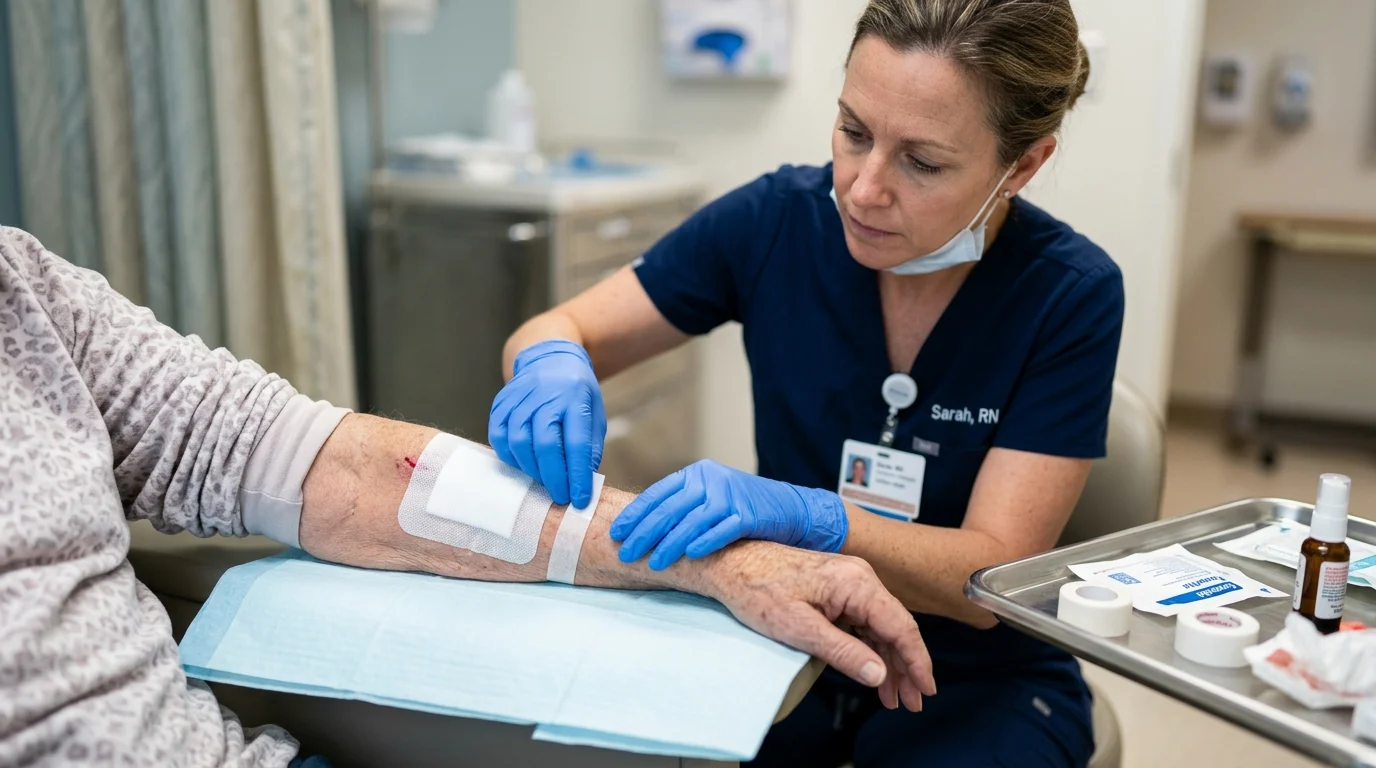
Certified Nursing Assistants documenting patient care at the time and place it is provided.
Instead of writing notes later, CNAs record:
- Vital signs
- Daily activities
- Patient conditions
- Care provided
Therefore, documentation becomes immediate and accurate.
Why Point of Care Documentation Matters
Traditional documentation often happens after care.
However, delays can create problems.
For example:
- Details get missed
- Information becomes inaccurate
- Compliance risks increase
On the other hand, point of care documentation improves everything.
👉 As a result, accuracy and efficiency increase.
How Point of Care CNA Works in Nursing Homes
Point of care systems integrate directly into daily workflows.
Typically, CNAs use:
- Mobile devices or tablets
- Electronic Health Records (EHR) systems
- Bedside documentation tools
During patient care, they:
- Record activities instantly
- Update patient status
- Document observations
Consequently, records stay current and reliable.
Key Responsibilities of a Point of Care CNA
Point of care CNAs play a critical role.
They:
- Document care in real time
- Monitor patient conditions
- Report changes immediately
- Ensure accurate records
Therefore, they support both clinical care and compliance.
Benefits of Point of Care CNA in Nursing Homes
Point of care systems provide multiple advantages.
✔ 1. Improved Accuracy
Since documentation happens instantly:
- Errors decrease
- Details remain precise
👉 As a result, patient records improve.
✔ 2. Better Patient Care
Real-time data helps staff:
- Respond quickly
- Adjust care plans
👉 Therefore, patient outcomes improve.
✔ 3. Increased Efficiency
Instead of documenting later:
- CNAs save time
- Workflows become smoother
👉 Consequently, productivity increases.
✔ 4. Stronger Compliance
Accurate records support:
- Regulatory requirements
- Audits and inspections
👉 As a result, facilities stay compliant.
✔ 5. Enhanced Communication
Real-time updates allow:
- Nurses and providers to stay informed
- Faster decision-making
👉 Therefore, coordination improves.
Common Challenges with Point of Care CNA
Despite the benefits, challenges exist.
For example:
- Staff training requirements
- Technology adoption issues
- Workflow adjustments
However, proper implementation solves these problems.
👉 As a result, long-term benefits outweigh initial challenges.
How Point of Care Impacts Healthcare Operations
Point of care documentation does more than improve records.
It also:
- Reduces errors
- Improves workflow efficiency
- Supports better billing accuracy
- Enhances overall care quality
👉 Ultimately, it strengthens the entire healthcare system.
Best Practices for Implementing Point of Care CNA
To succeed, facilities should:
- Train staff effectively
- Use user-friendly systems
- Monitor performance regularly
- Encourage real-time documentation
👉 Therefore, implementation becomes smoother.
Final Thoughts: Real-Time Care Requires Real-Time Documentation
Point of care CNA is not just a process.
It is a shift in how care is documented.
When done correctly, it:
- Improves accuracy
- Enhances patient care
- Supports compliance
- Streamlines operations
👉 In the end, real-time documentation leads to better outcomes.
Need Help Improving Your Documentation & Workflow?
If your facility is struggling with:
- Inconsistent CNA documentation
- Delayed charting
- Compliance risks
- Inefficient workflows
👉 It may be time to optimize your point-of-care process.