You’re Providing Care… But Risks Still Exist
Every day, healthcare providers make critical decisions.
Treatments are planned.
Procedures are performed.
Patients are monitored.
But sometimes…
Things don’t go as expected.
Behind the scenes:
- Communication gaps occur
- Processes fail
- Errors go unnoticed
- Systems break down
And the result can be serious.
These are called sentinel events.
What Are Sentinel Events in Healthcare?
Sentinel events are:
Unexpected events that result in serious injury, harm, or death.
They signal:
- System failures
- Safety gaps
- Process breakdowns
These events require immediate investigation and response.
Why Sentinel Events Matter More Than Ever
Healthcare systems are becoming more complex.
Providers are dealing with:
- High patient volumes
- Staffing challenges
- Advanced procedures
- Regulatory pressure
Even small errors can lead to major consequences.
Top 18 Sentinel Event Cases (2024–2026)
Below are some of the most reported and critical sentinel events:
1. Patient Falls Leading to Injury
- Often due to lack of monitoring or fall risk assessment
2. Medication Errors
- Wrong dosage, wrong medication, or timing issues
3. Surgical Errors (Wrong Site / Wrong Procedure)
- Critical verification failures
4. Delayed Diagnosis
- Missed or late identification of serious conditions
5. Communication Failures
- Miscommunication between care teams
6. Patient Misidentification
- Incorrect patient records or treatment
7. Anesthesia-Related Complications
- Monitoring or dosing issues
8. Healthcare-Associated Infections (HAIs)
- Poor infection control practices
9. Equipment Failures
- Malfunctioning medical devices
10. Pressure Ulcers (Advanced Stages)
- Lack of patient repositioning or care
11. Suicide in Healthcare Settings
- Inadequate mental health monitoring
12. Birth Injuries
- Labor and delivery complications
13. Transfusion Errors
- Wrong blood type administration
14. Retained Surgical Items
- Instruments left inside patient
15. Inadequate Monitoring Post-Procedure
- Failure to detect complications early
16. Diagnostic Testing Errors
- Incorrect or delayed test results
17. Failure to Follow Protocols
- Deviation from standard procedures
18. Documentation Errors
- Missing or incorrect medical records
These events highlight system-level issues—not just individual mistakes.
Common Causes Behind Sentinel Events
Most sentinel events occur due to:
- Poor communication
- Inadequate training
- Lack of standardized protocols
- System inefficiencies
It’s rarely a single error—it’s a chain of failures.
How Sentinel Events Impact Healthcare Organizations
These events can lead to:
- Patient harm or fatality
- Legal consequences
- Regulatory penalties
- Financial loss
- Reputation damage
Patient safety is directly tied to operational performance.
How to Prevent Sentinel Events
Healthcare organizations can reduce risks by:
- Implementing standardized protocols
- Improving communication systems
- Conducting regular staff training
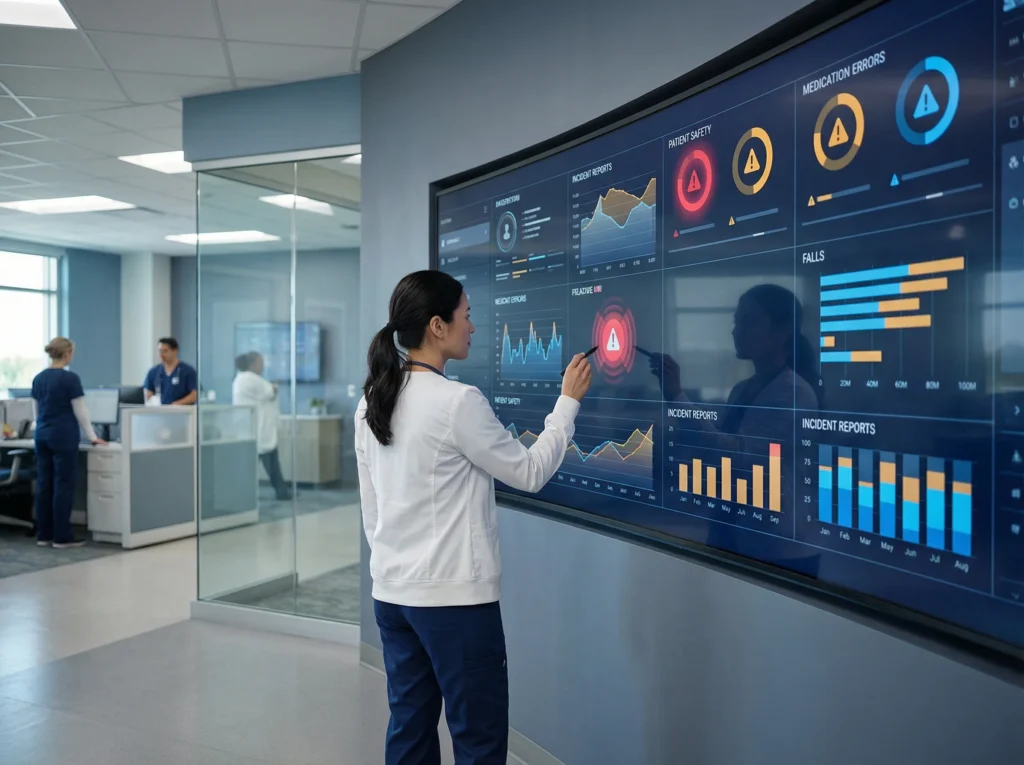
- Using technology for monitoring and alerts
- Performing root cause analysis
Prevention starts with system improvement—not blame.
The Role of Compliance and Process Improvement
Strong compliance frameworks help:
- Identify risks early
- Ensure accountability
- Maintain patient safety standards
Continuous improvement is essential in modern healthcare.
Final Thoughts: Patient Safety Starts with Strong Systems
Sentinel events are not random—they are signals.
They show where systems need improvement.
By addressing these issues, healthcare providers can:
- Improve patient outcomes
- Reduce risks
- Strengthen operations
- Build trust
Want to Strengthen Your Practice Operations?
If your processes are exposing your practice to risk:
👉 Get an operational audit
👉 Identify gaps in workflows and compliance
Let’s build safer, stronger systems together.